
A Timeless Marvel
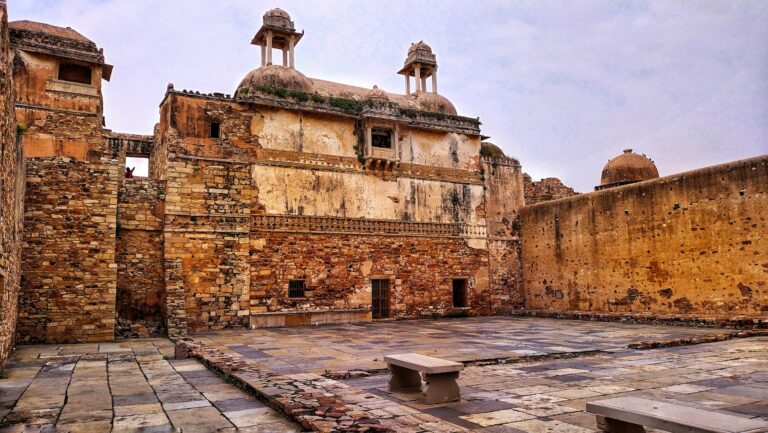
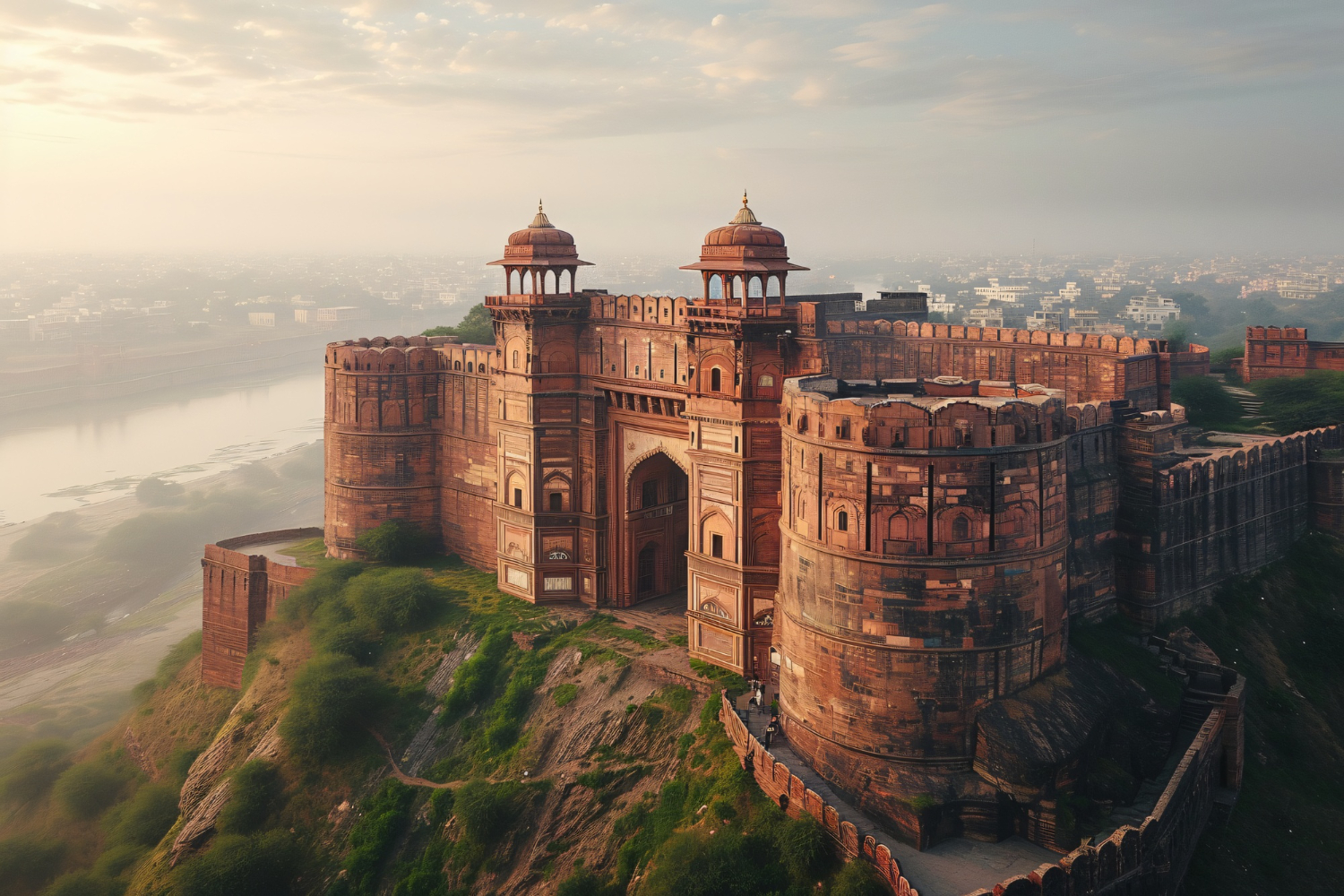
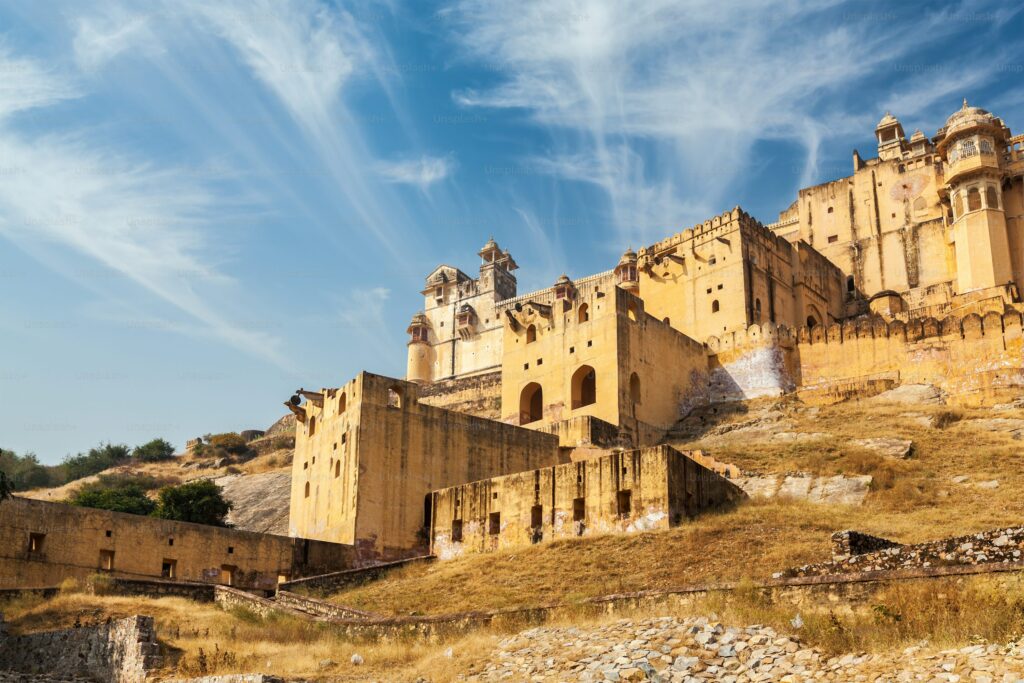
As the first rays of the sun kiss the rugged Aravalli Hills, the golden sandstone of Amber Fort awakens, reflecting a mesmerizing glow. Standing as a silent sentinel of Jaipur’s rich heritage, this magnificent fort narrates tales of Rajput valor, royal grandeur, and artistic brilliance. Every stone, every corridor, and every courtyard within Amber Fort whispers a story from a bygone era, making it a must-visit for history lovers, architecture enthusiasts, and wanderers alike.
A Royal Legacy: The Birth of Amber Fort
Amber Fort, also known as Amer Fort, was originally built in 1592 by Raja Man Singh I, a trusted general of Emperor Akbar. The fort was later expanded and beautified by Jai Singh I, enhancing its grandeur and making it one of the finest specimens of Rajput and Mughal architecture. Nestled on a hilltop, the fort served as the royal residence of the Kachwaha Rajputs before Jaipur became their capital.
Unlike the typical dusty brown fortresses of Rajasthan, Amber Fort shines in hues of honey-gold and pink, an embodiment of power and elegance. Over centuries, it witnessed diplomatic alliances, fierce battles, and secret royal affairs—each leaving behind an imprint of history on its magnificent walls.
Architectural Wonders: A Blend of Rajputana and Mughal Styles
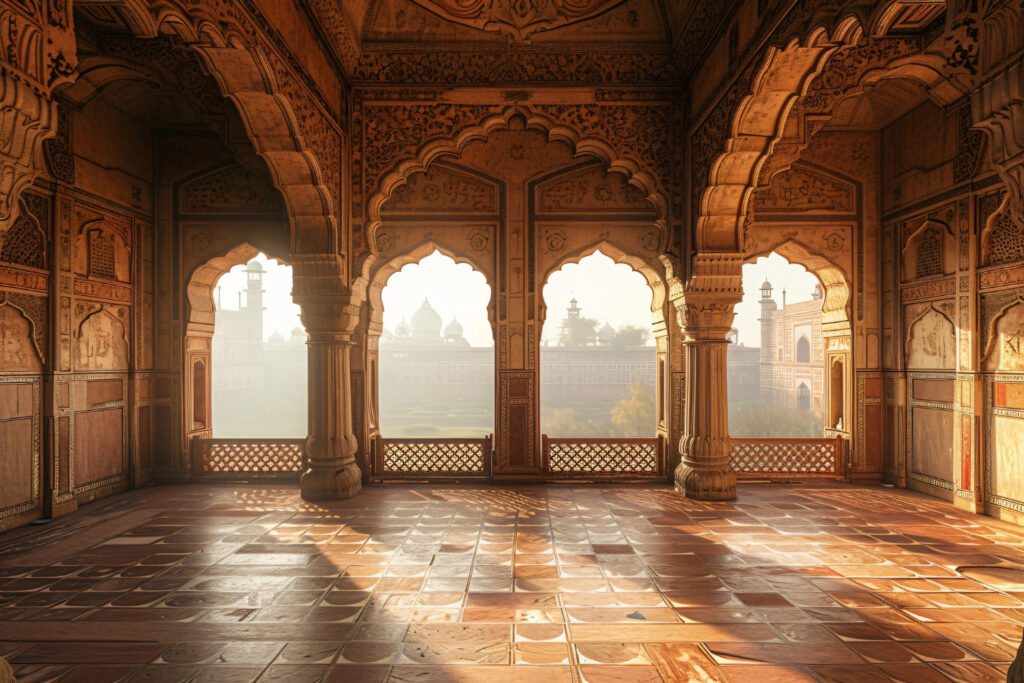
Amber Fort is not just a fortress; it is an architectural symphony that harmonizes Rajput and Mughal designs. Walking through its gateways, one embarks on a journey into a world where intricate carvings, artistic frescoes, and stunning mirror work create a breathtaking spectacle.
1. Sheesh Mahal: The Hall of Mirrors
Step into the Sheesh Mahal (Mirror Palace), and you are instantly transported into a celestial realm. A single flickering candle can illuminate the entire hall, as thousands of tiny mirrors embedded in the walls reflect light, creating a starlit galaxy indoors. This magical effect, inspired by Persian craftsmanship, was meant to create an illusion of a moonlit night—allowing the queens to experience the outdoors even in seclusion.
2. Diwan-e-Aam and Diwan-e-Khas: Halls of Power
The Diwan-e-Aam (Hall of Public Audience) is where the king would address his subjects, while the Diwan-e-Khas (Hall of Private Audience) was reserved for discussions with ministers and noblemen. These halls exhibit delicate marble lattice work, Persian-influenced floral designs, and grand arches that reflect the Mughal touch in Rajputana artistry.
3. Ganesh Pol: A Gateway to Royalty
One of the most stunning gates of Amber Fort, Ganesh Pol, is a true masterpiece. With vibrant frescoes and lattice windows, this gateway served as an entrance to the private palaces. The depiction of Lord Ganesha above the arch symbolizes good fortune and prosperity.
4. The Hidden Tunnels: Amber’s Best-Kept Secret
A lesser-known yet fascinating feature of Amber Fort is its hidden tunnels that connect it to Jaigarh Fort. These underground passages were designed as escape routes during sieges, ensuring the safety of the royal family in times of conflict.
Legends and Mysteries: Stories Etched in Stone
Amber Fort is not just an architectural marvel—it is a repository of intriguing legends and untold stories.
- The Cursed Treasure of Amber: According to folklore, the fort once housed an immense treasure, but a curse ensured that anyone who found it would meet an unfortunate fate.
- The Phantom of the Fort: Some locals believe that the fort is haunted, with eerie sounds echoing through its empty corridors at night. While there’s no documented proof, the fort’s vast, mysterious pathways do spark curiosity.
Amber Fort in Modern Times: A Living Heritage
Today, Amber Fort is a UNESCO World Heritage Site and one of the most visited attractions in Rajasthan. Tourists from all over the world come to witness its stunning architecture, rich history, and cultural vibrancy.
1. The Grand Light and Sound Show
As night falls, Amber Fort transforms into a storyteller. The light and sound show, narrated in the voice of Bollywood legend Amitabh Bachchan, takes visitors on a fascinating journey through the fort’s history, bringing its royal past to life.
2. The Regal Elephant Ride Experience
A traditional way to enter the fort is via an elephant ride, reminiscent of how the Rajput kings arrived in grandeur. However, for ethical reasons, many now opt for jeeps to explore the fort’s beauty.
3. The Overlooked Gems Nearby
- Jagat Shiromani Temple: A stunning Krishna temple located close to the fort.
- Panna Meena Ka Kund: A geometrically designed stepwell that offers a great photo opportunity.
- Maota Lake: A scenic waterbody that enhances the fort’s picturesque charm.
Travel Guide: How to Make the Most of Your Visit
Best Time to Visit: October to March, when the weather is pleasant.
Entry Timings: 8:00 AM to 5:30 PM (fort), 7:00 PM onwards (light & sound show).
Entry Fees: ₹100 for Indians, ₹500 for foreign tourists. How to Reach: Jaipur is well-connected by air, road, and rail. The fort is just 11 km from Jaipur city center.
Tips for Visitors:
- Wear comfortable shoes as there is a lot to explore.
- Visit early in the morning to avoid crowds.
- Hire a knowledgeable guide for deeper insights into the fort’s history.
Amber Fort—Where History Breathes
Amber Fort is not just a historical structure; it is a living testament to Rajasthan’s glorious past. Its halls still resonate with the echoes of royal footsteps, its mirrors still sparkle with memories of regal festivities, and its corridors still hold secrets untold. Whether you are an architecture lover, a history buff, or a curious traveler, a visit to Amber Fort will leave you enchanted, reminding you that some stories, carved in stone, are meant to be experienced, not just read.
So, the next time you find yourself in Jaipur, step into the golden gates of Amber Fort and let history embrace you in its timeless arms.