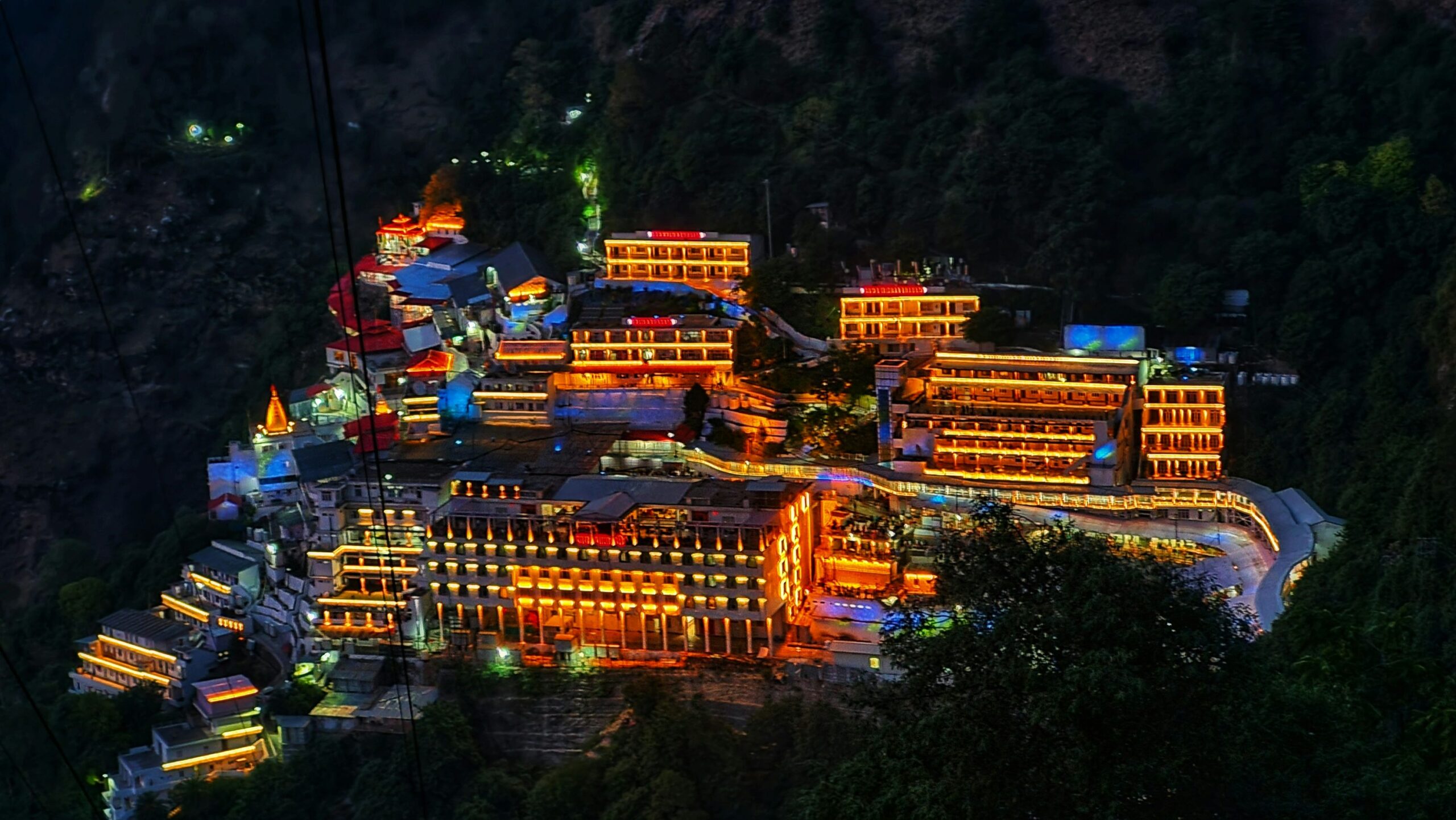

Vaishno Devi is one of the most famous pilgrimage sites in India. Located in the Trikuta Mountains of Jammu and Kashmir, this holy shrine attracts millions of devotees every year. People from all parts of India and even other countries visit this sacred place to seek blessings from Mata Vaishno Devi, also known as Vaishnavi.
This blog will take you on a journey through the history, significance, and travel guide of Vaishno Devi. Whether you are a first-time visitor or a regular devotee, this guide will help you understand everything about this divine place.
The Legend of Vaishno Devi
Vaishno Devi is believed to be an incarnation of Goddess Durga. According to Hindu mythology, she was born to restore Dharma (righteousness) on Earth. The story says that Mata Vaishno Devi performed deep meditation in a cave to attain divine powers. A demon named Bhairavnath tried to harm her, but she outwitted him. When Bhairavnath finally realized his mistake, Mata blessed him, making his shrine a part of the pilgrimage.
Even today, devotees visit Bhairavnath Temple after seeking the blessings of Mata Vaishno Devi, believing their journey is incomplete without it.
Why is Vaishno Devi Special?
Vaishno Devi is not just a temple; it is a spiritual experience. Here are some reasons why this shrine is so special:
- One of the Most Sacred Hindu Temples: It is among the holiest shrines dedicated to Hindutva and Sanatan Dharma.
- Miraculous Powers: Many devotees believe that Mata Vaishno Devi fulfills wishes and protects her followers.
- Located in Beautiful Hills: The journey to the temple takes you through the breathtaking landscapes of the Himalayas.
- A Symbol of Strength: The pilgrimage symbolizes faith, endurance, and devotion.
Best Time to Visit Vaishno Devi
Vaishno Devi is open throughout the year, but some seasons are better for visiting:
- March to June: Pleasant weather, best for sightseeing and comfortable trekking.
- September to November: Ideal climate, fewer crowds compared to peak months.
- December to February: Snowfall adds a magical charm, but the cold weather can be harsh.
- During Navratri: One of the most popular times for pilgrimage, but it is also very crowded.
How to Reach Vaishno Devi
Vaishno Devi is well-connected by road, rail, and air. Here are the ways you can travel:
By Air
- The nearest airport is Jammu Airport (Satwari Airport), about 50 km from Katra.
- From the airport, you can take a taxi or a bus to Katra, the base point of the trek.
By Train
- The nearest railway station is Shri Mata Vaishno Devi Katra Railway Station.
- It has trains from Delhi, Mumbai, Kolkata, and other major cities in India.
By Road
- Katra is well-connected by roads to Jammu, Delhi, Punjab, and Himachal Pradesh.
- Regular buses, taxis, and private cabs are available for tourists.
The Holy Trek to Vaishno Devi
Once you reach Katra, you have to trek 13 km to reach the main temple. The journey is filled with devotion, scenic beauty, and chants of “Jai Mata Di”. Here are the ways to reach the shrine:
1. Walking or Trekking
- Many devotees prefer to walk as an act of devotion.
- The path is well-maintained, with resting points, food stalls, and medical facilities.
2. Ponies and Palkis
- Ponies (horses) and palkis (palanquins) are available for those who find it difficult to walk.
3. Battery Cars
- Available for elderly people and those with medical conditions.
4. Helicopter Service
- Helicopters operate from Katra to Sanjichhat, reducing the trek to just 2.5 km.
- Booking can be done online in advance.
The Main Temple: Darshan at Vaishno Devi
After reaching the holy cave, devotees get to see the three Pindis (natural rock formations), which symbolize Mata Kali, Mata Lakshmi, and Mata Saraswati.
- The darshan (holy sight) of the Pindis is a divine experience.
- The temple management provides free prasad (holy offerings) to all visitors.
- There is a Bhairavnath Temple located 2.5 km away, which is considered the last part of the pilgrimage.
Where to Stay?
Katra has many options for accommodation:
- Budget Hotels: Affordable and comfortable for devotees.
- Mid-Range Hotels: Offer better amenities like hot water, Wi-Fi, and comfortable rooms.
- Luxury Hotels: Provide top-class facilities for travelers who prefer a lavish stay.
- Government Guest Houses: Managed by the Shrine Board, ensuring clean and budget-friendly stays.
Local Food and Cuisine
Vaishno Devi is known for its simple yet delicious vegetarian food. Some must-try dishes include:
- Rajma-Chawal: A famous dish in Jammu.
- Aloo Paratha: Served hot with butter and curd.
- Kesar Kulfi: A delicious dessert made with saffron and milk.
- Kachalu Chat: A spicy street snack.
Tips for Pilgrims
- Start Early: To avoid crowds, begin your trek early in the morning.
- Wear Comfortable Clothes: The journey is long, so wear comfortable shoes and clothes.
- Stay Hydrated: Carry a water bottle and drink plenty of water.
- Respect the Environment: Do not litter the pilgrimage route.
- Follow COVID-19 Guidelines: Check the latest travel guidelines before visiting.
Vaishno Devi and Hindutva
Vaishno Devi is not just a temple; it is a symbol of Hindutva and faith. It represents the deep spiritual roots of India. Millions of devotees come here, proving the strong connection between religion and tourism in India. The temple is a reminder of India’s rich culture, traditions, and devotion.
Conclusion
A trip to Vaishno Devi is a life-changing experience. Whether you are visiting for religious reasons or to explore India’s spiritual tourism, this sacred journey will leave you with peace and devotion in your heart.
If you have visited Vaishno Devi, share your experience in the comments! Jai Mata Di!