
The Taj Mahal is one of the most famous historical places in the world. It is a symbol of love and an important part of India’s tourism. Every year, millions of people visit this beautiful monument to see its amazing architecture and learn about its rich history. The Taj Mahal is also a UNESCO World Heritage Site, which means it is protected for future generations to admire and enjoy.
In this blog, we will explore everything about the Taj Mahal, including its history, architecture, best time to visit, how to reach, interesting facts, and important travel tips. Whether you are planning to visit or just want to learn about it, this guide will be helpful for you!
1. History of the Taj Mahal
The Taj Mahal was built by Mughal Emperor Shah Jahan in memory of his beloved wife, Mumtaz Mahal. Mumtaz Mahal died in 1631, and Shah Jahan was heartbroken. To express his love, he decided to build the most beautiful tomb in the world. The construction of the Taj Mahal started in 1632 and was completed in 1648. However, some smaller structures around the Taj Mahal were finished in 1653.
The Taj Mahal is not just a monument; it is a story of deep love and sorrow. It is said that Shah Jahan spent his last years in prison, looking at the Taj Mahal from a distance, remembering his dear wife.
2. Architecture and Design of the Taj Mahal
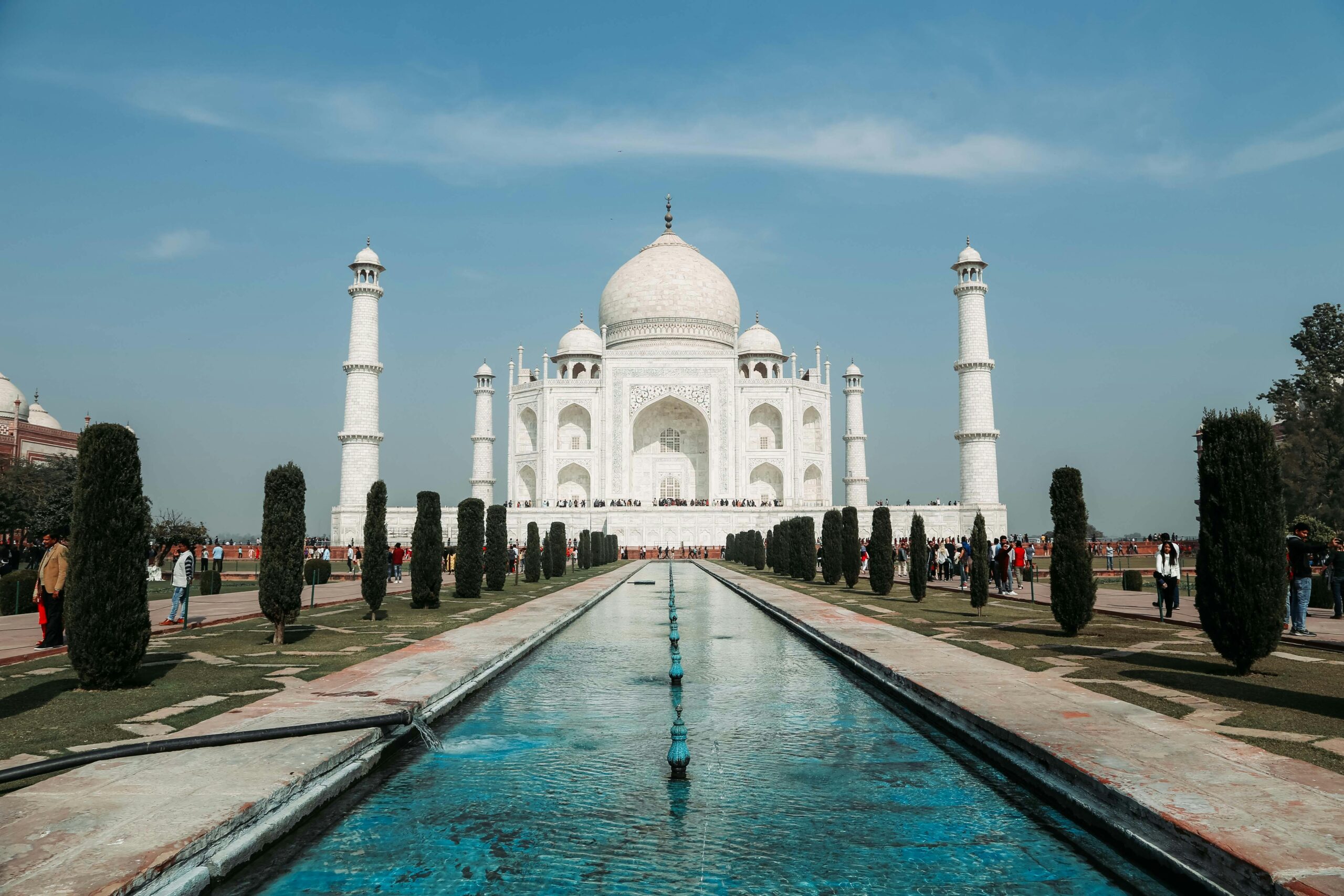
The Taj Mahal is famous for its white marble beauty and perfect symmetry. The entire structure is made of white marble brought from different parts of India and other countries. The main dome of the Taj Mahal is 73 meters (240 feet) high, and it looks stunning from every angle.
Features of the Taj Mahal’s Architecture:
- Main Dome: The large white dome in the center, which shines in the sunlight and looks golden in the moonlight.
- Four Minarets: Four tall towers around the Taj Mahal, slightly tilted outwards to protect the main tomb in case of an earthquake.
- Beautiful Gardens: The Taj Mahal is surrounded by a Persian-style garden, divided by water channels.
- Calligraphy and Inlay Work: The walls of the Taj Mahal have beautiful writings from the Quran and designs made from precious stones.
- Reflection in Water: The reflection of the Taj Mahal in the water of the fountains adds to its beauty.
The entire design follows a perfect balance, making it one of the wonders of the world.
3. Best Time to Visit the Taj Mahal
The best time to visit the Taj Mahal is during the winter months (October to March). The weather is pleasant, and you can enjoy exploring the site without the discomfort of extreme heat.
- Morning Time (Sunrise): The Taj Mahal looks magical with a golden glow.
- Evening Time (Sunset): The changing colors of the sky make the Taj Mahal even more beautiful.
- Full Moon Nights: The Taj Mahal looks breathtaking in the moonlight. Special night tours are available on full moon nights and two days before and after it.
Avoid visiting during summer (April to June) as it gets very hot, and also during the monsoon season (July to September) due to heavy rains.
4. How to Reach the Taj Mahal
The Taj Mahal is located in Agra, Uttar Pradesh, India. It is well-connected by road, train, and air.
- By Air: The nearest airport is Agra Airport (Kheria Airport), around 13 km from the Taj Mahal.
- By Train: Agra has three main railway stations – Agra Cantonment, Agra Fort, and Raja Ki Mandi. The fastest train from Delhi is the Gatimaan Express, which takes about 100 minutes.
- By Road: Agra is well connected to major cities like Delhi (233 km), Jaipur (240 km), and Lucknow (336 km) by highways.
Once in Agra, you can take an electric bus, rickshaw, or a walk to reach the Taj Mahal.
5. Ticket Prices and Timings
- Timings: The Taj Mahal is open from 6:00 AM to 6:30 PM (closed on Fridays).
- Ticket Prices:
- Indians: ₹50
- Foreign Tourists: ₹1100
- SAARC & BIMSTEC countries: ₹540
- Children below 15 years: Free
- Extra fee to visit the main tomb: ₹200
6. Interesting Facts About the Taj Mahal
- The Taj Mahal changes color at different times of the day – pinkish in the morning, white in the afternoon, and golden at night.
- The materials used to build the Taj Mahal were brought from 28 different countries.
- It took over 22 years and 20,000 workers to complete the Taj Mahal.
- The minarets were built slightly tilted outwards to prevent them from falling on the main tomb.
- Shah Jahan planned to build a black Taj Mahal for himself, but he was imprisoned before he could start.
7. Important Travel Tips for Visitors
✔ Book tickets online to avoid long queues. ✔ Wear comfortable shoes, as you have to walk a lot. ✔ Carry a water bottle, especially in summer. ✔ No food, drinks, or smoking are allowed inside the Taj Mahal. ✔ Respect the monument by not touching or scratching the walls. ✔ Hire a government-approved guide to learn interesting facts about the Taj Mahal.
8. Why the Taj Mahal is a Must-Visit Place
The Taj Mahal is not just a monument; it is a symbol of love and India’s rich heritage. Whether you love history, architecture, or photography, the Taj Mahal has something special for everyone. It is one of the most visited places in India and a major attraction for tourism.
If you ever get a chance, visiting the Taj Mahal will be an unforgettable experience!
Conclusion
The Taj Mahal is a wonder of the world that attracts millions of tourists every year. It stands as a symbol of love and dedication, making India proud. From its beautiful architecture to its fascinating history, the Taj Mahal is a masterpiece that should be on everyone’s travel bucket list.
Have you visited the Taj Mahal? Share your experience in the comments below!