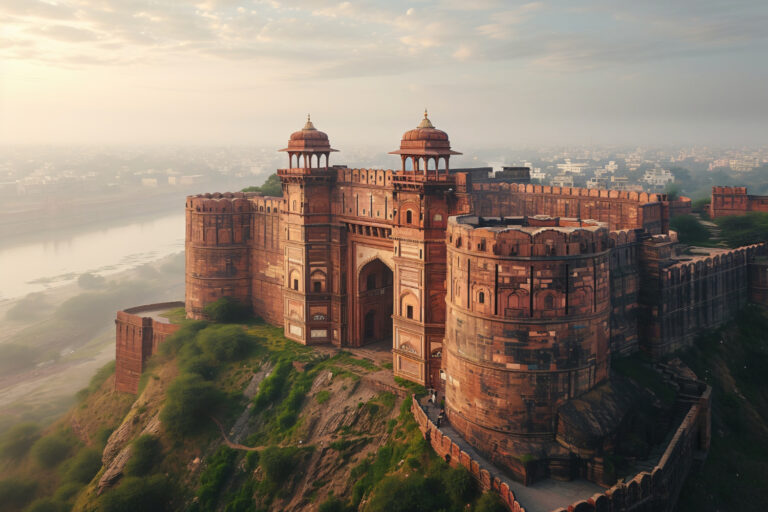
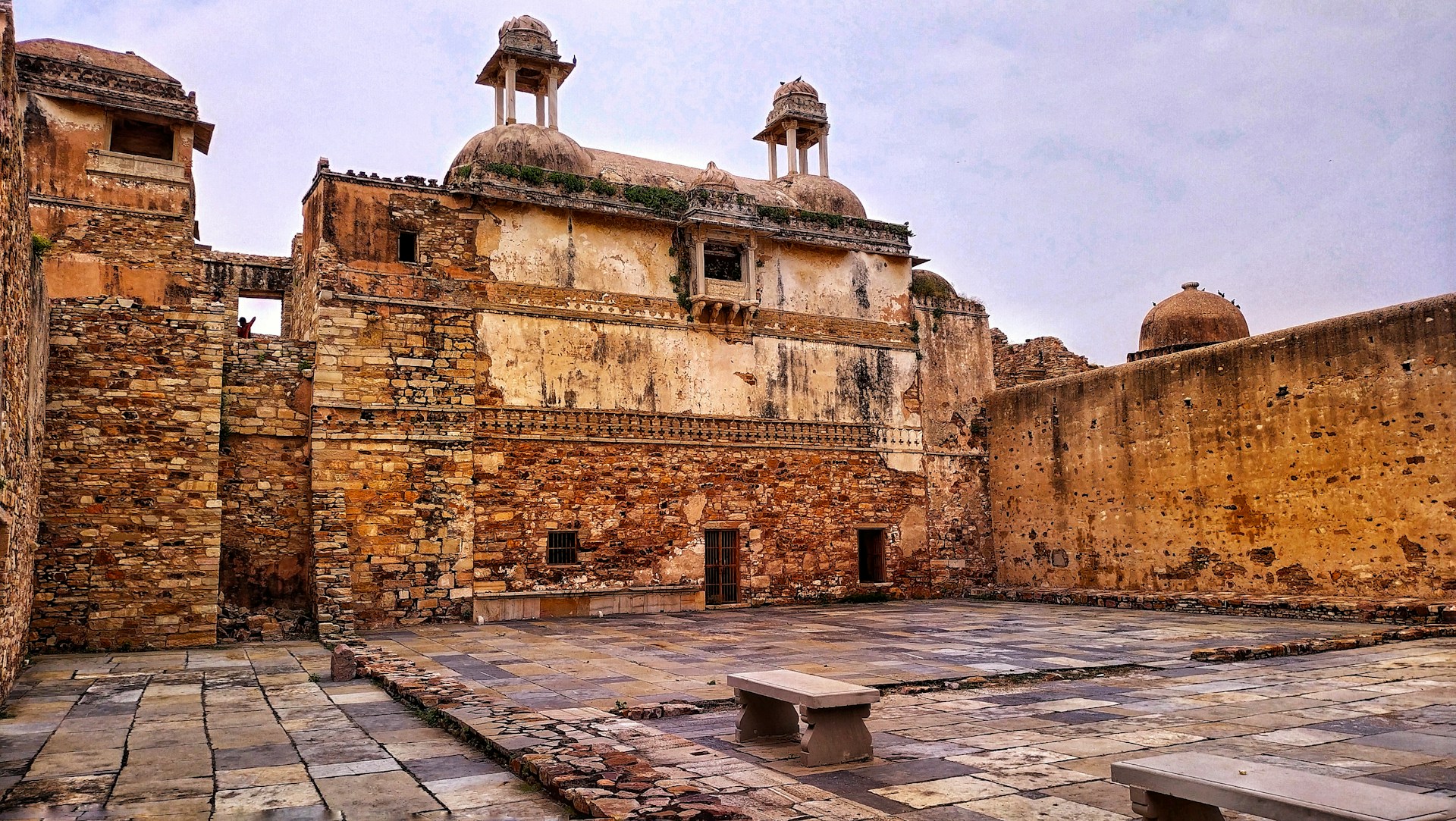

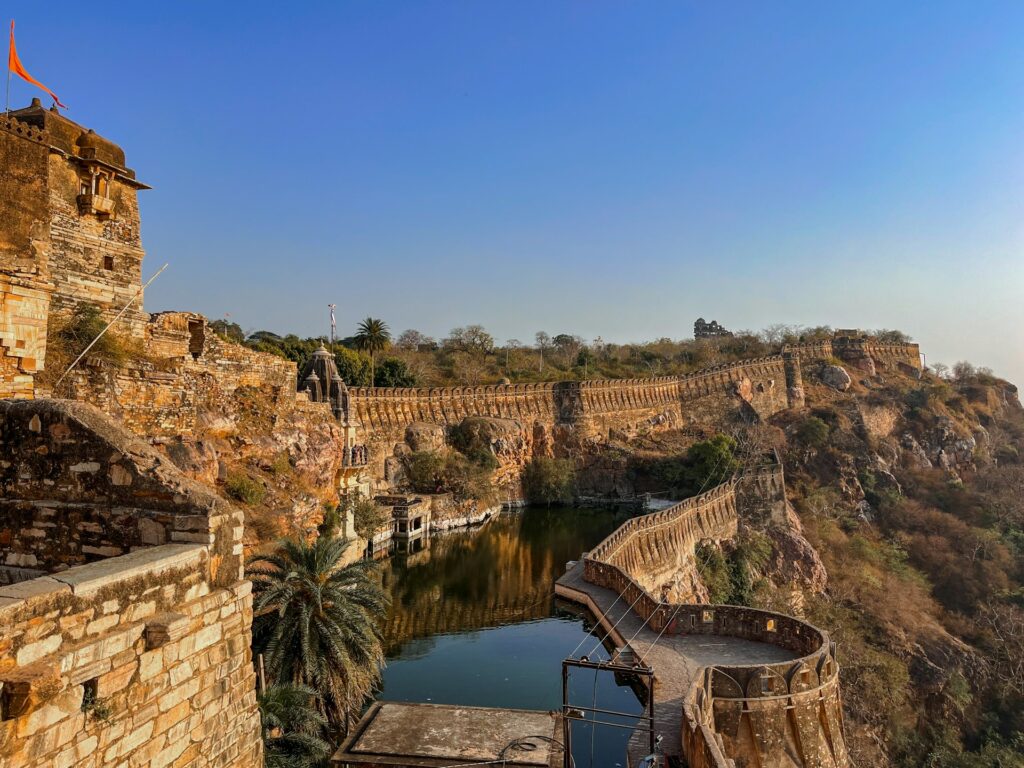
Nestled in the heart of Rajasthan, Chittorgarh Fort stands as an awe-inspiring testament to the courage and valor of the Rajput warriors. Spanning 700 acres, this UNESCO World Heritage Site is the largest fort in India and a prime attraction for history enthusiasts and travelers alike. Its architectural grandeur, historical significance, and cultural heritage make it an unmissable destination in India’s tourism landscape.
A Glimpse into History
Built in the 7th century by the Maurya dynasty, Chittorgarh Fort witnessed countless battles, making it a powerful symbol of Rajput resilience. The fort has been the site of three significant sieges—by Alauddin Khilji (1303), Bahadur Shah of Gujarat (1535), and Mughal Emperor Akbar (1567)—each leaving an indelible mark on its history. The tales of Rani Padmini’s jauhar (self-immolation) and Maharana Pratap’s undying spirit continue to echo through its ancient walls.
Architectural Marvels Within Chittorgarh Fort
The seven massive gateways (Pols) of Chittorgarh Fort, named Padan Pol, Bhairon Pol, Hanuman Pol, Jorla Pol, Ganesh Pol, Laxman Pol, and Ram Pol, stand as formidable defenses against invasions. The fort is home to magnificent palaces, temples, and towers, each narrating a unique story of its glorious past.
1. Vijay Stambh (Tower of Victory)1. Vijay Stambh (Tower of Victory)
One of the most remarkable structures, the Vijay Stambh, was erected by Maharana Kumbha in 1448 to commemorate his victory over the Malwa Sultanate. This 37-meter-high tower offers breathtaking panoramic views of the surrounding landscape.
2. Kirti Stambh (Tower of Fame)
Built in the 12th century, Kirti Stambh is a Jain monument dedicated to the first Jain Tirthankara, Adinath. The intricate carvings on the tower make it a must-visit for history buffs and architecture lovers.
3. Rana Kumbha Palace
This palace, once the royal residence of Maharana Kumbha, is one of the oldest structures in the fort. It is also associated with the tragic tale of Rani Padmini, who committed jauhar to protect her honor from Alauddin Khilji.
4. Padmini Palace
Surrounded by a serene water body, Padmini Palace is famous for its association with the legendary beauty Rani Padmini. It was here that Alauddin Khilji caught a glimpse of her reflection, which led to the infamous siege of Chittorgarh.
5. Meera Temple
Dedicated to the saint-poet Meerabai, a devotee of Lord Krishna, the Meera Temple is an epitome of devotion and spirituality. The temple attracts pilgrims and tourists alike for its divine aura and exquisite architecture.
Chittorgarh Fort as a UNESCO World Heritage Site
Recognized as a UNESCO World Heritage Site in 2013 under the Hill Forts of Rajasthan, Chittorgarh Fort has gained international recognition for its historical and cultural value. Its inclusion in the World Heritage List has boosted tourism, making it a must-visit destination for global travelers.
Best Time to Visit Chittorgarh Fort
The best time to explore Chittorgarh Fort is from October to March, when the weather is pleasant and comfortable for sightseeing. The fort’s charm is further enhanced during the annual Jauhar Mela, which commemorates the bravery and sacrifice of Rajput women.
How to Reach Chittorgarh Fort
Chittorgarh is well connected by road, rail, and air:
- By Air: The nearest airport is in Udaipur (90 km away).
- By Train: Chittorgarh has its own railway station, well-connected to major cities like Jaipur, Delhi, and Mumbai.
By Road: A network of national highways ensures a smooth journey by car or bus from cities like Jaipur, Udaipur, and Kota.
Tourism and Accommodation
With the fort being a major tourist attraction, Chittorgarh offers a wide range of hotels, heritage resorts, and homestays catering to all budgets. Popular accommodations include RNB Chittorgarh, The Elegance Resort, and Hotel Pratap Palace. For an immersive experience, visitors can stay at heritage properties that reflect the grandeur of Rajasthan’s royal past.
Why Visit Chittorgarh Fort?
Chittorgarh Fort is more than just a historical site; it is a living legend of Rajputana bravery. Whether you are a history enthusiast, culture lover, or photography aficionado, the fort’s stunning architecture, inspiring stories, and panoramic views make it a must-visit destination. Its UNESCO World Heritage status further solidifies its significance in global tourism.
Conclusion
A visit to Chittorgarh Fort is a journey through India’s rich past, where tales of heroism, romance, and sacrifice come alive. As one of the most majestic tourist destinations in Rajasthan, this UNESCO World Heritage Site continues to captivate travelers from across the world. Plan your trip to Chittorgarh and immerse yourself in the timeless grandeur of Rajputana history!