
Some cities arrive in your life like a storm—loud, demanding, unforgettable in their chaos.
And then there are cities like Dehradun. They don’t arrive loudly. They don’t announce themselves. They simply sit quietly at the edge of the mountains and wait for you to notice them.
Dehradun doesn’t try to compete with famous tourist destinations. It doesn’t sell excitement aggressively. Instead, it offers something far more valuable in today’s restless world—calm.
Nestled in the Doon Valley, between the Shivalik range of the Himalayas and the forests of Rajaji National Park, Dehradun is the capital of Uttarakhand and the gateway to some of the most beautiful hill destinations in North India. But beyond geography and titles, Dehradun is a feeling—one that grows slowly, gently, and stays with you long after you’ve left.
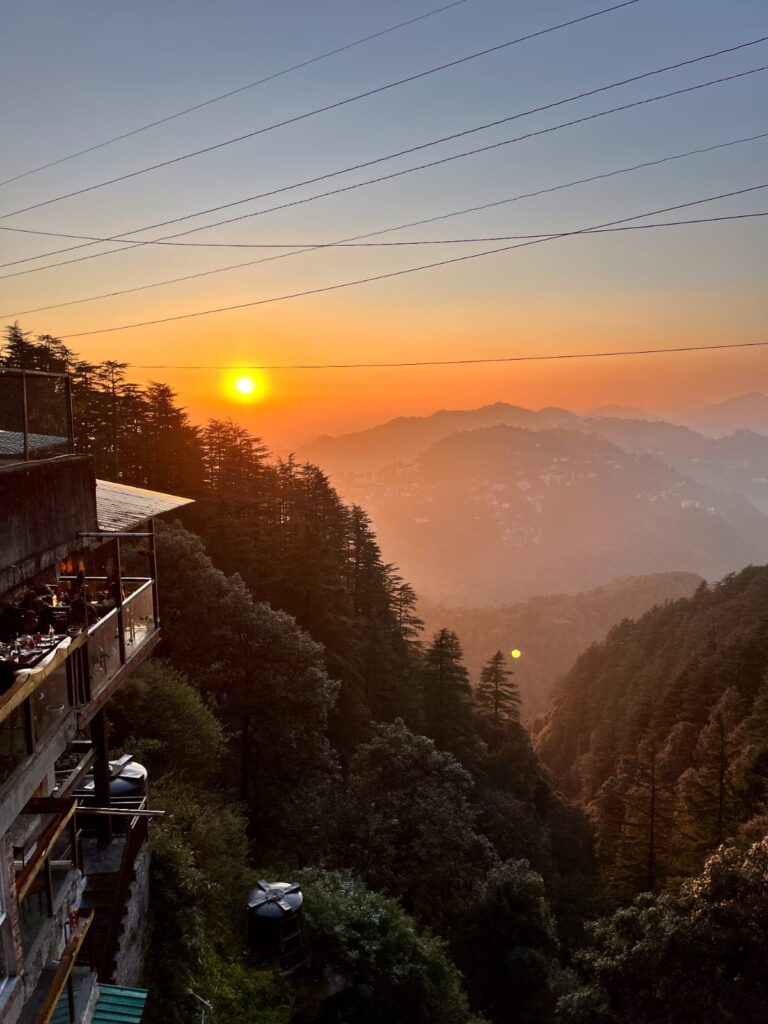
First Encounter: When the Air Feels Different
The first thing you notice in Dehradun is not a monument or a landmark—it’s the air. Cleaner. Cooler. Softer. Almost as if it carries less weight. The noise level drops naturally. Even the honking feels hesitant here.
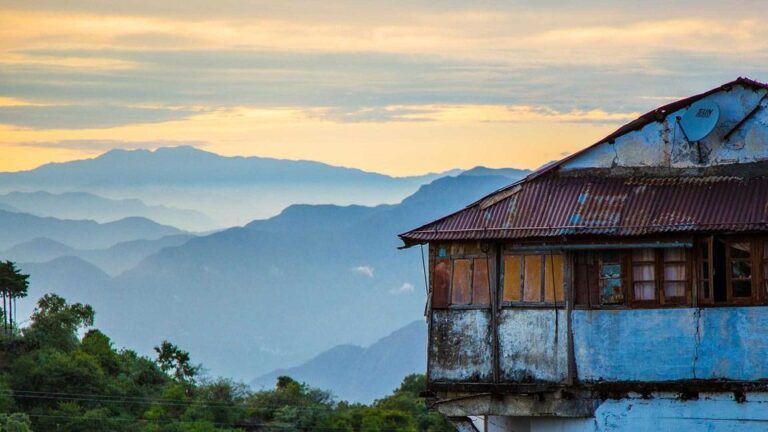
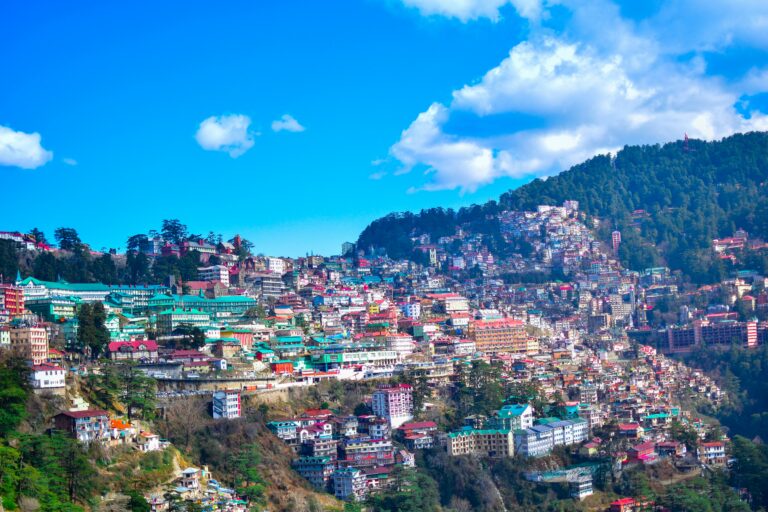
Wide roads stretch under tall trees. The mountains appear in the distance, not overwhelming but reassuring—like silent companions. Unlike many growing cities, Dehradun still feels breathable, both physically and emotionally.
There’s no rush to impress. No urgency to perform. The city seems content to be exactly what it is.
A City with Layers: More Than Just a Hill Town
Dehradun is often misunderstood as just a “stop before Mussoorie,” but that’s a mistake many travelers regret later. The city has its own rhythm, history, and personality.
It is home to prestigious institutions like:
- The Forest Research Institute (FRI) – a colonial-era architectural masterpiece surrounded by vast green lawns
- Indian Military Academy (IMA) – where future leaders of the Indian Army are trained
- Welham Schools and Doon School – institutions that have shaped generations
These places give Dehradun an intellectual and disciplined character. You feel it in the conversations, in the way people speak, and in the general atmosphere of thoughtfulness.
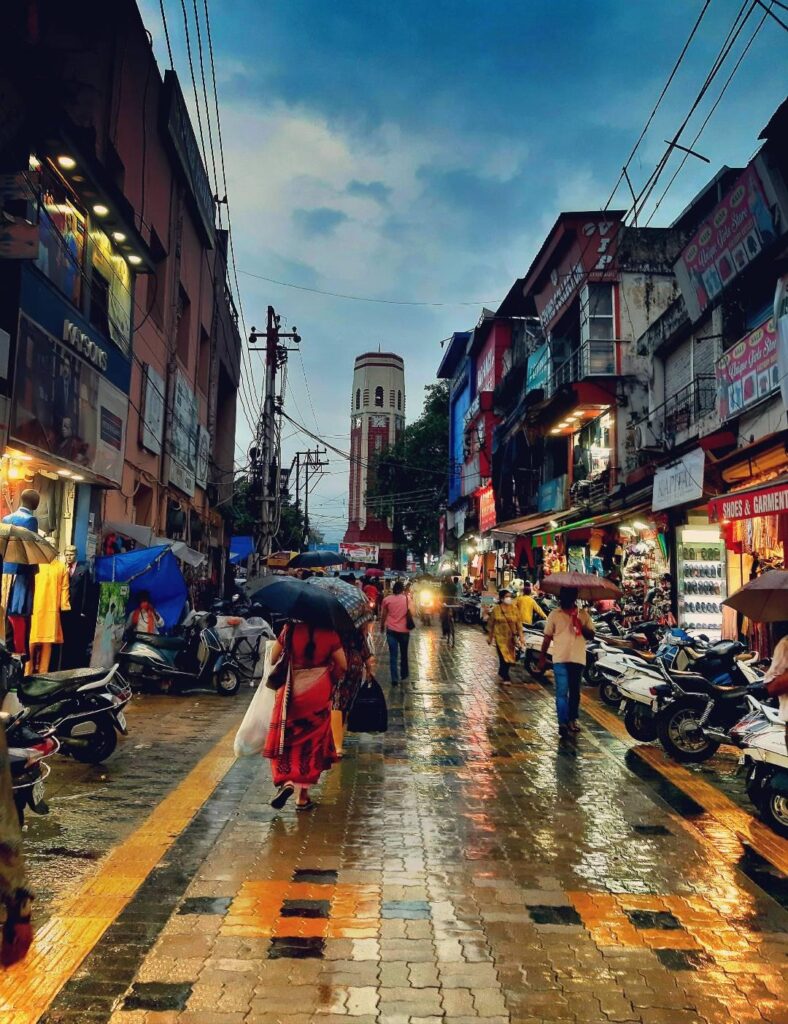
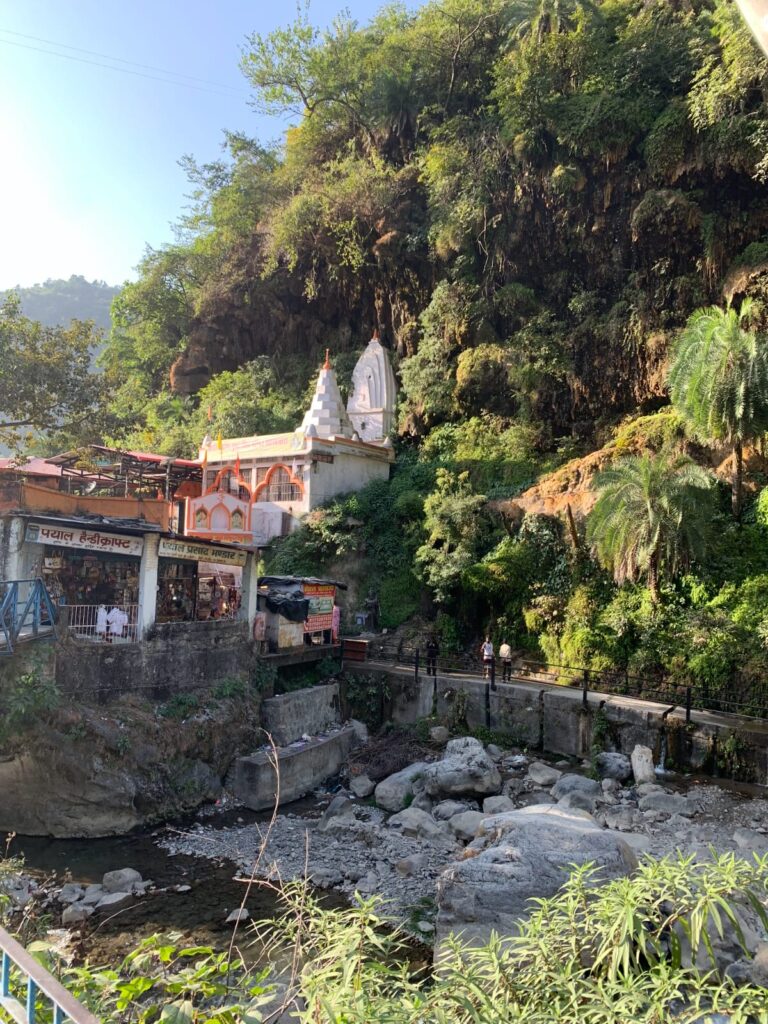
Exploring Dehradun: Wandering Without a Plan
Exploring Dehradun is best done without a strict itinerary.
Start your day on Rajpur Road, where cafés, bakeries, bookstores, and local eateries quietly coexist. You’ll find students sipping coffee, professionals heading to work, and travelers blending in without standing out. Nothing feels forced.
Walk through Paltan Bazaar, where everyday life unfolds naturally. Shopkeepers greet you with familiarity, not pressure. You’ll hear local dialects, smell street food, and sense a city that still values routine over rush.
Then there are places like Tapkeshwar Mahadev Temple, built around a natural cave where water continuously drips over the Shivling. Even if you’re not religious, the serenity of the place stays with you.
And when you’re tired, you sit. You don’t feel guilty for sitting. Dehradun teaches you that rest is not wasted time.
Mussoorie: The Quiet Companion Above the City
No story of Dehradun is complete without Mussoorie, the hill station that rests just above it like a calm afterthought.
The drive to Mussoorie is an experience in itself. As the road climbs, the temperature drops, the trees grow denser, and the city slowly disappears below. Clouds drift closer. The noise fades.
Mussoorie, often called the “Queen of the Hills,” offers gentle beauty rather than dramatic thrill. A walk along Mall Road, views from Gun Hill, misty evenings, and endless mountain layers stretching into the horizon.
Yet, what makes Mussoorie special is not the views alone—it’s how it complements Dehradun. After a day among the hills, returning to Dehradun feels grounding, like coming back to stability after a dream.
Together, Dehradun and Mussoorie create a perfect balance—calm city life and quiet mountain escape.

Stories in Small Moments
The real magic of Dehradun lies in small, easily missed moments.
A cup of tea on a roadside stall while watching the sky change colors.
A slow evening walk where even your thoughts fall silent.
A conversation with a local who speaks without hurry.
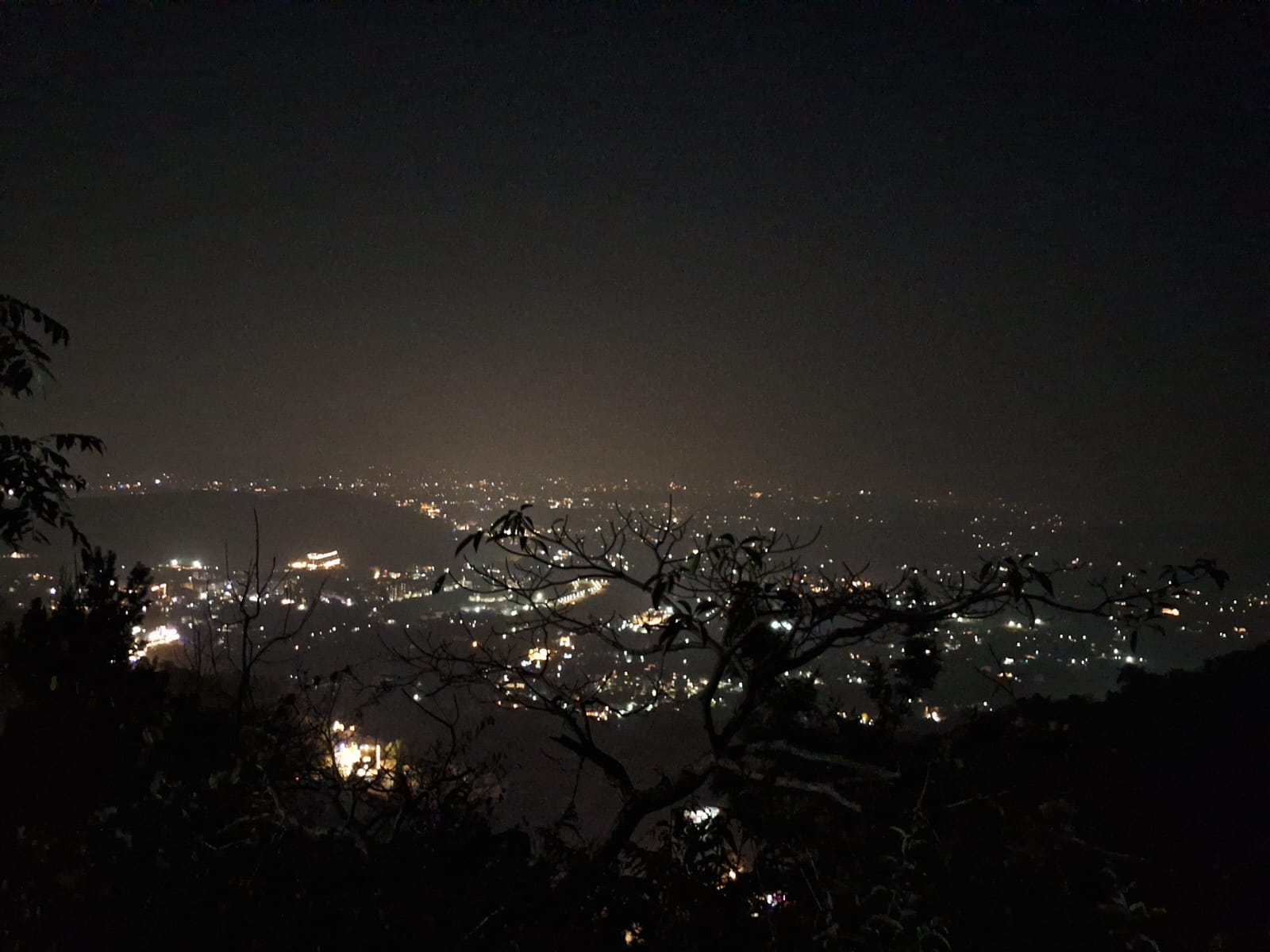
A night so quiet that sleep arrives without effort.
These moments don’t make headlines, but they make memories.
Many travelers say the same thing after visiting Dehradun: “I don’t know what exactly I liked, but I felt better.” And that says everything.
Why Dehradun Feels Different
In a country of fast-growing cities, Dehradun still respects space—physical and emotional.
- It’s modern, but not chaotic.
- It’s developing, but not aggressive.
- It’s social, but not intrusive.
The city seems to understand that life doesn’t always need urgency. Sometimes, it needs a pause.
For solo travelers, Dehradun feels safe and welcoming.
For families, it feels balanced and livable.
For tired professionals, it feels like healing.
For writers, thinkers, and creators, it feels like silence with meaning.
A City That Stays Quietly
Dehradun doesn’t promise adventure. It doesn’t promise transformation. It doesn’t promise excitement.
It promises peace.
And in today’s world, that promise is rare.
You won’t leave Dehradun with adrenaline-filled stories, but you’ll leave with a slower heartbeat, clearer thoughts, and a deeper breath. The city doesn’t demand your attention—it earns your affection.
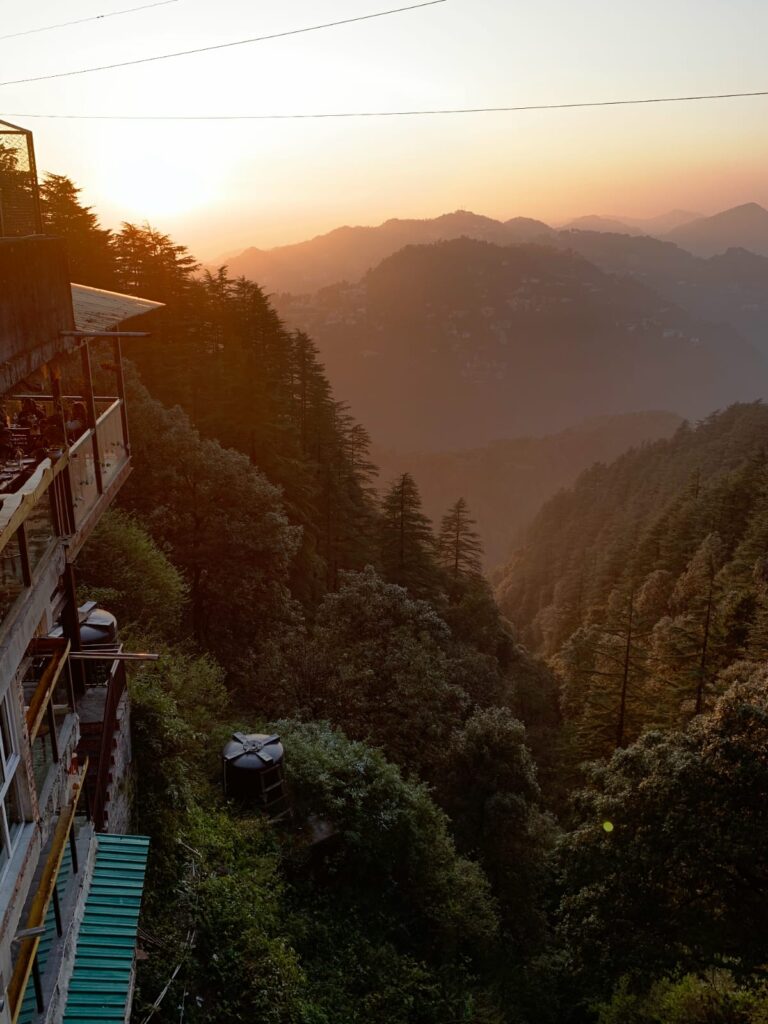
A Peaceful Goodbye
As you leave Dehradun, there’s no dramatic farewell. No emotional goodbye. The city doesn’t cling to you. It simply lets you go.
But something stays behind.
Long after the journey ends, you’ll remember the quiet roads, the mountain air, the unhurried mornings, and the way the city made you feel without trying.
Some cities live in your photos.
Some live in your stories.
Dehradun lives in your silence.
And that is why—at least once in your lifetime—you should let this city find you.